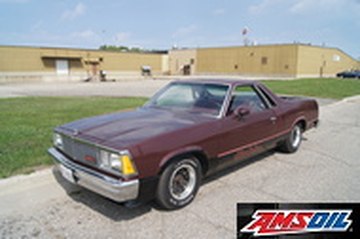
Engine Lubrication Maintenance for the 1982 Gmc Trucks CABALLERO 3.8L
Maintaining a vehicle from the early 1980s requires a proactive approach to fluid management and mechanical inspection. For owners of the 1982 Gmc Trucks CABALLERO equipped with the 3.8L engine, consistent attention to lubrication is a fundamental aspect of preserving engine health and operational efficiency. Because older engines may exhibit different sealing characteristics or material behaviors compared to modern vehicles, understanding how to monitor and respond to changes in lubricant condition is essential for long-term ownership.
Monitoring Lubricant Condition and Consumption
One of the most effective ways to gauge the internal health of an engine is to observe the behavior of its oil. Rather than relying solely on a calendar, paying attention to how the vehicle consumes or displays its lubricant can provide valuable insights. If you notice that the oil level on the dipstick is dropping more rapidly than expected between service intervals, it warrants a closer investigation into potential sources of loss.
Changes in the appearance of the oil can also be telling. While dark oil is a normal byproduct of engine operation as it collects microscopic debris, an unusual texture or a milky appearance may indicate that other fluids are entering the lubrication system. Similarly, if you observe any unexpected exhaust smoke, this can be associated with various internal conditions and should be investigated to prevent further complications. Always remember that a single symptom, such as a change in oil color or a slight odor, can have multiple underlying causes; therefore, professional diagnosis is often necessary when something seems out of the ordinary.
Practical Inspection Priorities for Aging Components
As vehicles age, the materials used in gaskets, seals, and various connection points may undergo changes. For a 1982 Gmc Trucks CABALLERO, routine visual inspections can help identify issues before they escalate into significant mechanical problems. When performing maintenance, it is useful to look for signs of seepage or active leaks around the engine block and various sealing surfaces.
Beyond the engine itself, other components should be part of a regular inspection routine:
- Sealing Surfaces: Inspect gaskets and seals for any evidence of age-related seepage.
- Cooling System: If equipped, check hoses and connections for signs of cracking, softening, or visible leakage.
- Drive Components: If the engine is equipped with accessible drive belts, inspect them for signs of glazing, fraying, or surface deterioration.
- Electrical Integrity: Check wiring and electrical connectors for signs of corrosion or brittle insulation, which can affect overall vehicle performance.
By conducting these checks during every oil change or routine service visit, you can establish a clearer picture of the vehicle's current mechanical state.
Establishing a Maintenance Baseline
For many owners of classic or older trucks, the complete service history may not always be available. In these instances, the first priority is to establish a maintenance baseline. This involves performing a thorough inspection of all fluids and major components to determine their current condition. Once you know the "starting point" of your vehicle's health, it becomes much easier to identify when something has changed.
Keeping detailed records of every service performed—including the date, mileage, type of lubricant used, and any parts replaced—is highly beneficial. A well-documented history allows you to track consumption patterns and helps ensure that future maintenance is based on actual vehicle needs rather than guesswork. If you are unsure about the previous maintenance performed on the 3.8L engine, treating your first comprehensive service as a "reset" can provide peace of mind for subsequent ownership.
Managing Long-Term Engine Health
Effective long-term maintenance is less about following a rigid, universal schedule and more about responding to the actual condition of the vehicle. As a 1982 Gmc Trucks CABALLERO ages, its maintenance priorities may shift. For example, an engine that has been meticulously maintained for decades may require different attention than one that has recently undergone a period of neglect.
When deciding where to focus your efforts, prioritize addressing active leaks or visible warning signs first. Distinguishing between preventive maintenance (such as replacing a worn belt before it breaks) and unnecessary parts replacement is key to efficient ownership. Rather than replacing components simply because they are old, use the physical condition of the part—looking for cracks, stiffness, or wear—to guide your decisions. This condition-based approach ensures that you are investing in the most critical areas of the vehicle's upkeep.
The Role of High-Mileage Formulations
When an engine has accumulated significant mileage over several decades, owners often consider different types of lubricants. Some high-mileage oil formulations contain additives intended for use in aging engines. These specialized products may include seal-conditioning additives designed to help maintain the integrity of older gaskets and seals. While these formulations can be a useful tool in a maintenance strategy, they are not a substitute for addressing significant mechanical leaks or structural issues. They are best viewed as a supplemental way to support the existing sealing components within the engine.
Buying Engine Oil for your 1982 Gmc Trucks CABALLERO 3.8L
Selecting the correct lubricant is the most critical step in any oil service. To ensure the longevity and proper operation of your 3.8L engine, you must match the engine oil to the application-specific viscosity information shown on this page. Do not rely on general automotive knowledge or assumptions based on the vehicle's age to determine the correct grade.
When you are ready to purchase new lubricant, follow these practical steps:
- Verify Viscosity: Always refer back to the specific viscosity requirements listed in the application information provided above for this exact vehicle.
- Check API Certification: Ensure that any oil you purchase carries a current and appropriate API certification to guarantee it meets modern quality standards for lubrication and engine protection.
- Evaluate Oil Types: Depending on your specific needs and the information provided in your application data, you may choose between conventional, synthetic blend, or full synthetic oils. High-mileage formulations may also be an option if they align with the vehicle's current condition and requirements.
- Inspect the Label: Before completing your purchase, double-check the product packaging to confirm that the SAE viscosity and service classifications match what is required for your 1982 Gmc Trucks CABALLERO.